Hi,

Happy New Year from the team at Aussie Finch Forum! 2018 was a massive year for our community, so I'd like to take a few minutes to reflect on some of the big news and milestones.

June: Craig and Derek announced that they were stepping back from their ownership role and passing the ownership torch along to me (Shane). I'd like to take this opportunity to once again thank them for all they have contributed to AFF over the many years they ran the place.

July: The new forum design was rolled out. In addition to the fresh coat of paint, some handy new features were added, such a 'quick reply' feature and the live chat box.

August: The Aussie Finch Forum Facebook page was created. To date; 147 people have liked us, and we're seeing good engagement on our posts—when I remember to post stuff, that is!

We also relaunched the Aussie Finch Forum newsletter in September. It's been quite successful so far, with the days after each issue consistently among the forum's busiest. I guess some readers appreciate a monthly reminder that the forum exists. tongue-out

November: I forgot to mention this is last month's newsletter. Aussie Finch Forum turned 10 years old in November. That's an incredible milestone for any online community to reach. Our scrappy little forum has lasted longer than five Australian Prime Ministers and—lets be honest—will probably outlast a sixth quite soon.

Visit The Forum

Popular Topics in December

Hot day air flow
The annual summer discussion on keeping birds cool. 

Trouble with breeding Star Finches
Sometimes a species just refuses to cooperate. 

Marker hair on Gouldians
Rare feather attribute of Gouldians that raised much discussion.


Vinegar flies / fruit flies

Helpful tips for attracting vinegar flies into finch aviaries.


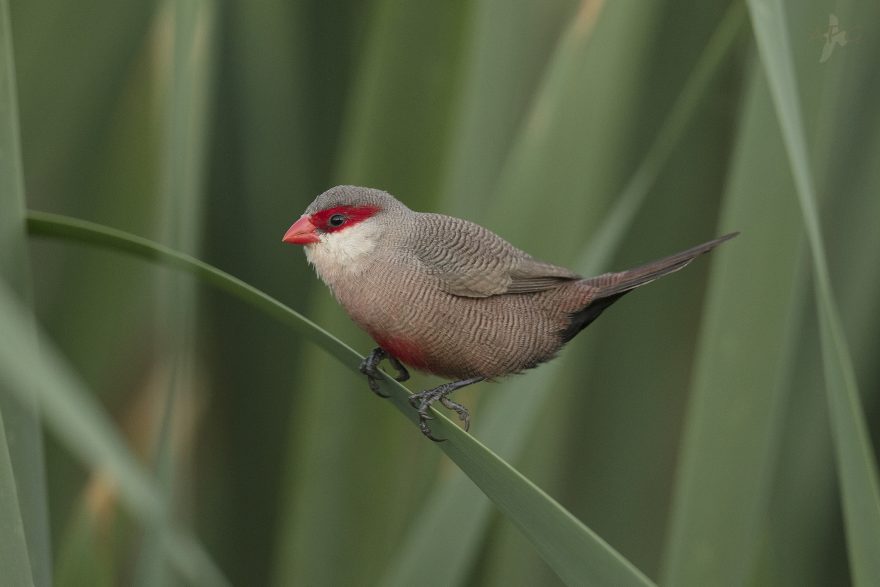
Common (St. Helena) Waxbill

The St. Helena Waxbill is a small estrildid finch native to sub-Saharan Africa. They are commonly kept in aviculture throughout the world, though some of their popularity can be attributed to their willingness to raise young pin-tailed whydahs. There are several different sub-species available, plus a small variety of established colour mutations. In regions without an influx of wild-caught birds, pure strains of St Helena waxbills can be difficult to acquire due to cross breeding.

 
Learn More →
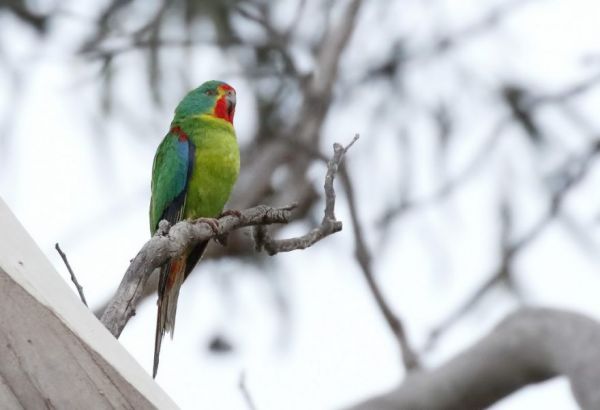
Gender imbalance further threatening the endangered Swift Parrot
Tasmania’s endangered swift parrots have another threat to contend with—gender imbalance. Due to habit loss and predation from the introduced sugar glider, the number of mature swift parrots remaining has dwindled to around 2,000. Of those, an estimated 75% of are male, creating a 3-to-1 gender imbalance.

Read More
Photos by AFF Members
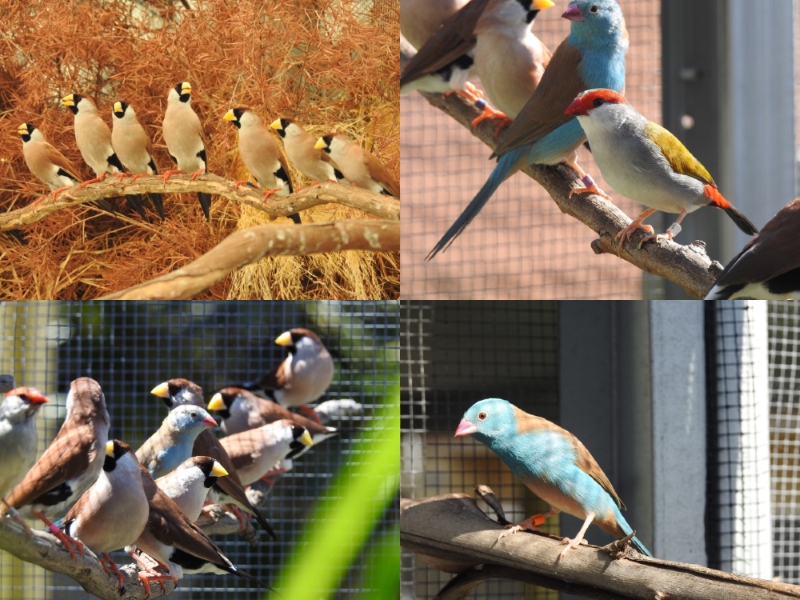
This month Harvey666 shared some fantastic photos of his birds:
Click here to see more.
Change your subscription    |    View online