Hi,

It's funny; I was going to start this newsletter excitedly talking about how bird sales were happening again, and listing a few upcoming events. 

But now I'm doing rewrites because NSW and Queensland have both had COVID outbreaks and are returning to restrictions and lockdowns, and I can't confidently state that any event will still be going ahead. 

Even if we can't give you a bird sale calendar this month, we hope you enjoy the articles and discussions in this newsletter.

Thanks so much for reading, have a great Easter weekend, and I'll see you again next month!

Popular forum topics in March

Wanted: DIY plan for a finch trap.

What temperature should Gouldian eggs be incubated at?

What's the largest clutch of Gouldians you've ever had?

Can septic water be used in a planted finch aviary?


Visit The Forum
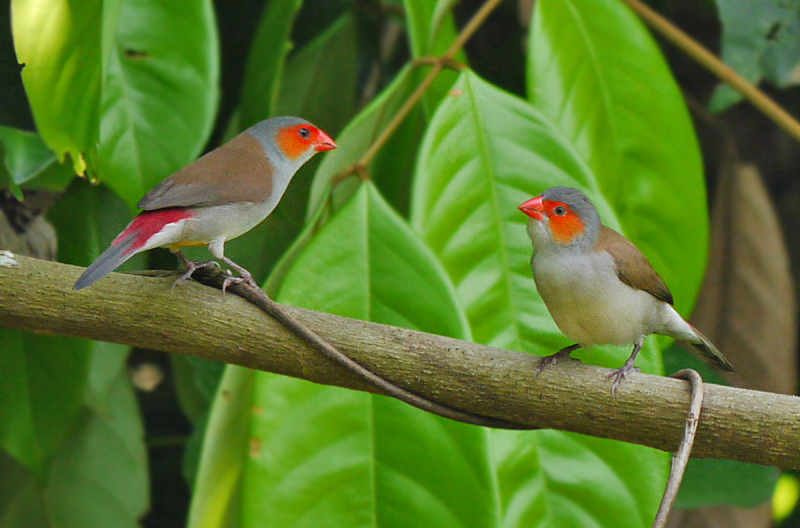
Orange-cheeked Waxbill species profile
Orange-cheeked waxbills are found in the grasslands of the western parts of the African continent, where they live in flocks of up to 30 birds. They’re rare in Australian aviculture, held only in the aviaries of specialist breeders.

Continue Reading
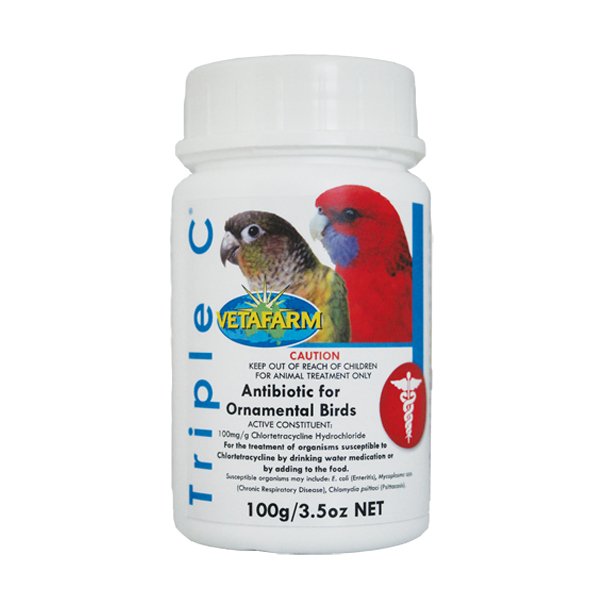
Need to stock up the medicine cupboard for winter?
Aussie Finch Forum members save 10% on all bird health supplies at Pet Village. Just use coupon code AFFPROMO on the cart page to get your discount.
Click Here
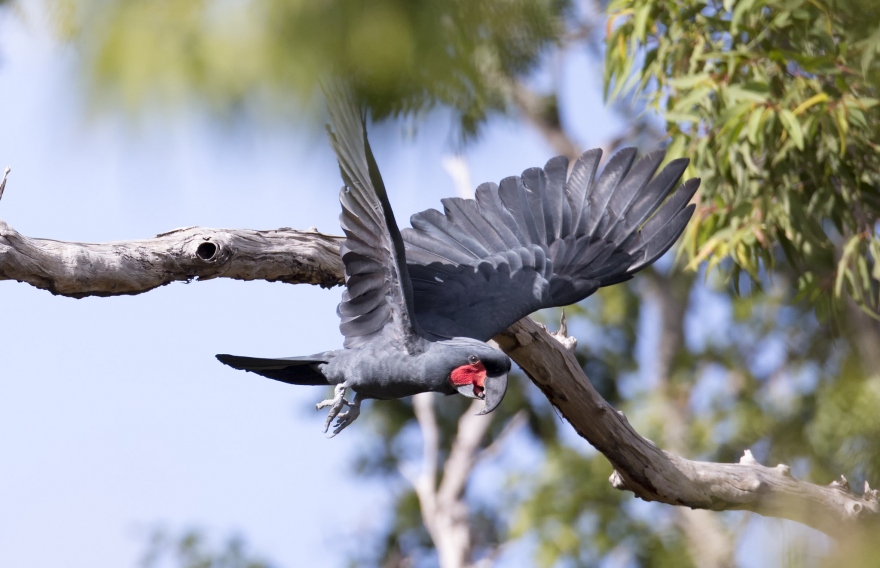
Palm cockatoo numbers declining due to habitat loss
An article published in the journal of Biological Conservation has painted a bleak picture for Australia’s iconic palm cockatoo. Professor Rob Heinsohn, from the Australian National University, believed the population could be cut in half if the current trend is not addressed by conservation efforts.

Continue Reading
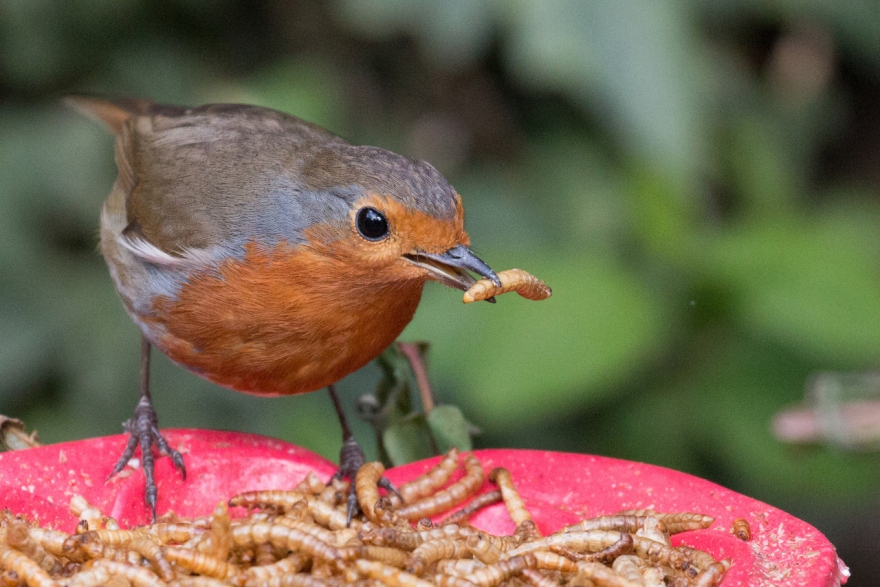
An introduction to breeding mealworms
Live insects are an essential dietary component of many commonly kept bird species. Although they’re commonly available in pet stores, it’s much more economical to raise them in-house. In this article, we explain how to breed them in large numbers to provide a consistent supply of live food.

Continue Reading